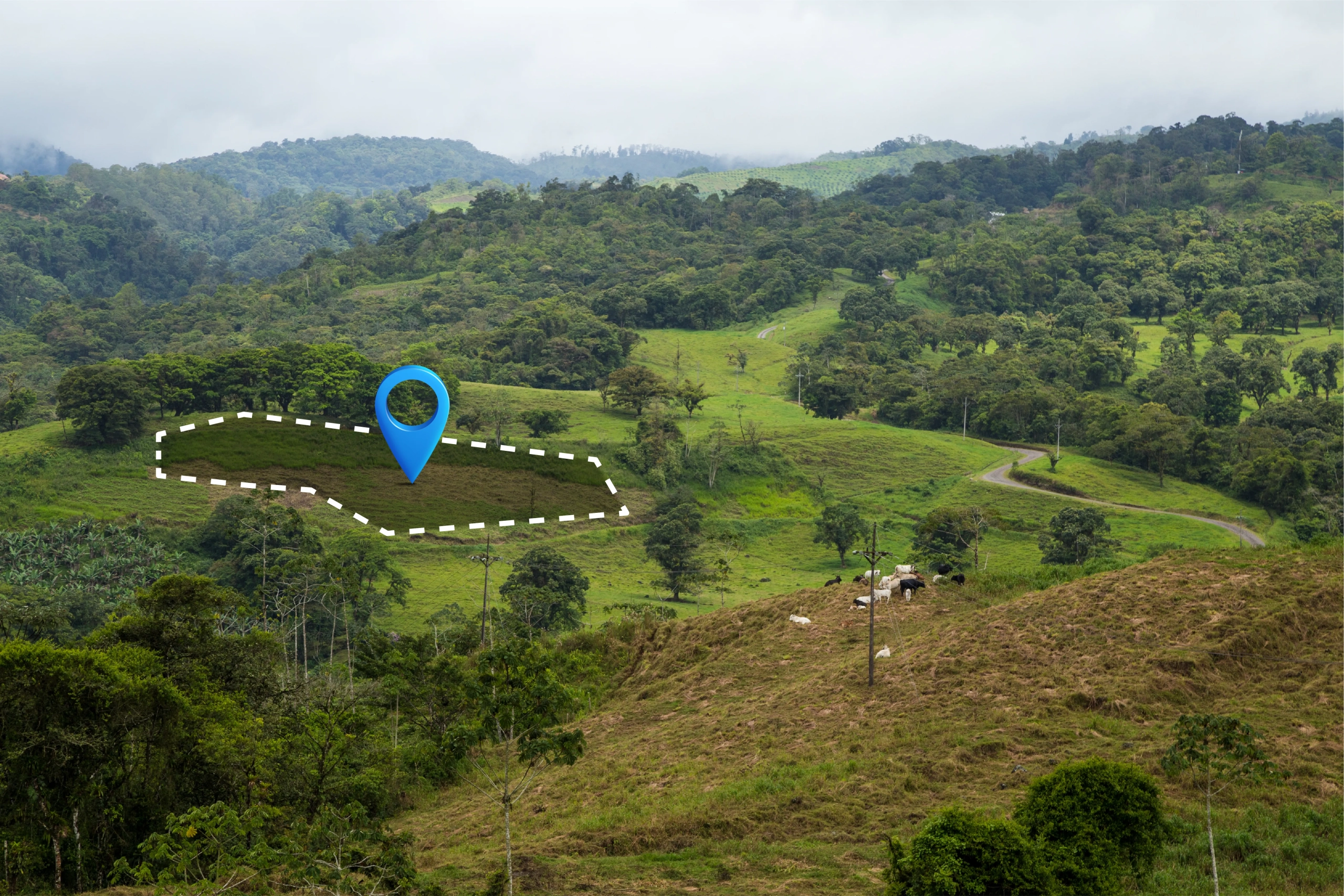
Buying land in Kenya is one of the most powerful investments you can make — but it is also one of the riskiest if you don’t follow the right process. Every year, thousands of Kenyans lose their hard-earned money to fake titles, double allocations, land cartels, and dishonest brokers.
This guide breaks down exactly how to buy genuine land in Kenya without being scammed, whether you are a first-time buyer, an investor, or buying through a housing cooperative.
Why Land Scams Are Common in Kenya
Land scams thrive because:
- Many buyers rush decisions due to fear of missing out
- Documentation is often complex and poorly understood
- Unscrupulous brokers exploit legal knowledge gaps
- Some buyers skip due diligence to save time or money
Understanding the risks is the first step toward protecting yourself.
Common Land Scams You Must Watch Out For
Before you buy any land, be aware of these common traps:
1. Fake Title Deeds
Scammers present forged title deeds that look legitimate but are not registered at the lands office.
2. Double or Multiple Allocation
The same piece of land is sold to several buyers, especially in unplanned areas.
3. Fake Sellers and Brokers
Individuals claim to own land they have no legal rights over.
4. Inheritance and Family Disputes
Land sold without consent from all beneficiaries later ends up in court.
5. Public or Riparian Land
Some plots are illegally subdivided from public utilities, roads, or riparian reserves.
Step-by-Step Guide to Buying Genuine Land in Kenya
Step 1: Identify the Land and Clarify Ownership
Start by confirming:
- The exact location and size of the land
- Whether the land is freehold or leasehold
- The name of the registered owner
Always insist on seeing the original title deed or allotment letter.
Step 2: Conduct an Official Land Search
Visit the Ministry of Lands or use the online ArdhiSasa platform to conduct an official search. This will confirm:
- The registered owner
- Any existing charges or encumbrances
- The land reference number
If the seller’s name does not match the search results, walk away immediately.
Step 3: Verify the Physical Land on the Ground
Never rely on maps or photos alone.
- Visit the land physically
- Confirm boundaries with a licensed surveyor
- Check access roads and nearby developments
This helps avoid buying land that does not exist or is incorrectly marked.
Step 4: Confirm Zoning, Use & Planning Approval
Check with the county government to confirm:
- Land use (residential, commercial, agricultural)
- Approved developments in the area
- Any pending compulsory acquisitions
This step protects you from buying land you cannot legally develop.
Step 5: Use a Written Sale Agreement
A professional sale agreement should:
- Clearly state the buyer and seller details
- Indicate the agreed price and payment terms
- Include timelines for transfer
Always engage a qualified advocate to prepare or review the agreement.
Step 6: Avoid Cash Transactions
All payments should be:
- Made through bank transfers
- Properly receipted
- Documented in the sale agreement
Cash deals leave you exposed and without proof.
Step 7: Transfer and Registration
The transfer process includes:
- Paying stamp duty
- Signing transfer forms
- Registering the land in your name
Only consider the transaction complete after the title deed is officially transferred.
Why Buying Through a Registered Housing Cooperative Is Safer
Housing cooperatives offer an added layer of protection because:
- Land is professionally sourced and verified
- Due diligence is done before members invest
- Documentation and transfers follow structured processes
- Members benefit from collective bargaining and transparency
This significantly reduces the risk of fraud compared to individual purchases.
How PCEA Housing Ensures Transparency and Safety
At PCEA Housing Cooperative Society Ltd, land acquisition follows strict procedures:
- Legal verification of ownership before purchase
- Proper surveying and planning approvals
- Clear member documentation and payment structures
- Transparent allocation and transfer processes
This approach protects members and ensures long-term value.
Final Advice Before You Buy Land in Kenya
Never rush a land purchase. If something feels unclear, pause and seek professional advice. Genuine land will still be available tomorrow — but money lost to scams is rarely recovered.
If you are considering buying land and want guidance from a trusted housing cooperative, talk to us before you commit.
Frequently Asked Questions
How do I know if a title deed is genuine?
Conduct an official land search through the Ministry of Lands.
Is it safe to buy land through brokers?
Only if they are licensed and the transaction is legally documented.
Can foreigners buy land in Kenya?
Foreigners can only own leasehold land for up to 99 years.
Need guidance on safe land investment?
Contact PCEA Housing Cooperative Society Ltd for verified land opportunities and transparent processes.